On this page
Global gentamicin sulfate production in 2025 is estimated at approximately 1,300 to 2,500 tonnes (API equivalent), reflecting a mature and largely stabilised segment of the aminoglycoside antibiotic market. Supply growth is modest and primarily replacement driven, shaped by hospital demand, essential medicines procurement and veterinary antibiotic usage. Market conditions balance steady fermentation output with pricing pressure from generics competition, regulatory compliance costs and antimicrobial stewardship policies. The global picture shows flat to low single-digit growth influenced by healthcare access, infection control protocols and essential drug list inclusion.
Production leadership remains concentrated in regions with established fermentation expertise, antibiotic manufacturing infrastructure and cost-competitive operations. Asia Pacific dominates global output, supported by large-scale fermentation plants and vertically integrated API producers. Europe and North America maintain limited but strategically important capacity focused on regulated markets and high-compliance supply. Many countries remain import dependent, relying on approved generic suppliers for hospital and public health systems.
Clinical demand remains structurally stable due to gentamicin sulfate’s role in treating severe gram-negative infections and its inclusion in essential medicines lists. Buyers value consistent potency, regulatory compliance, pharmacopoeial conformity and long-term supply reliability.
Injectable-grade API accounts for the majority of value due to strict quality requirements and hospital usage. Buyers prioritise pharmacopoeial compliance, sterility assurance, traceability and regulatory approvals.
Fermentation efficiency and downstream purification dominate cost structure because yield variability, energy use and waste treatment significantly influence operating economics. Regulatory compliance adds fixed cost pressure, favouring large-scale producers.
Hospital and essential medicine applications dominate demand because gentamicin remains a first-line treatment in specific clinical scenarios. Veterinary usage provides additional volume but is increasingly regulated.
Asia Pacific leads global production due to large-scale fermentation capacity, export-oriented API manufacturing and cost efficiency.
Europe maintains selective capacity focused on regulated markets, quality assurance and continuity of essential medicine supply.
North America relies primarily on imports but retains formulation and quality oversight capabilities.
Latin America shows steady demand driven by hospital and public healthcare systems, largely supported by imports.
These regions remain import dependent, with demand linked to essential medicine programs and donor-supported healthcare.
Gentamicin sulfate supply begins with fermentation-based API production followed by purification, formulation and distribution to pharmaceutical manufacturers and healthcare systems. Downstream buyers include injectable manufacturers, topical formulators and veterinary medicine producers.
Key cost drivers include fermentation inputs, energy, waste treatment, regulatory compliance and quality testing. Trade patterns are global but highly regulated, with approved supplier lists and long qualification timelines. Pricing is relatively stable but under pressure from tender-based procurement.
The gentamicin sulfate ecosystem includes fermentation API producers, finished dosage manufacturers, regulators, public health agencies and hospital procurement bodies. Competitive advantage is driven by compliance history, scale efficiency and reliability.
Explore Specialty Chemicals Insights
View Reports
Gentamicin Sulfate Global Production Capacity and Growth Outlook
Thank you!
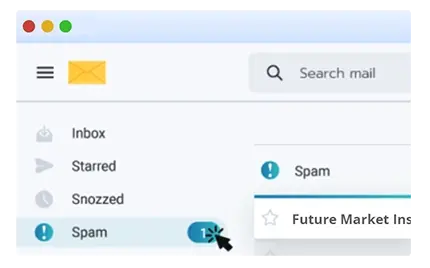
You will receive an email from our Business Development Manager. Please be sure to check your SPAM/JUNK folder too.
